No—a dog frisbee should not replace a chew toy unless its manufacturer explicitly identifies that particular disc as suitable for chewing. Choose a frisbee for supervised throwing and retrieving; choose a purpose-made chew toy for chewing, and check its suitability for your dog's size and habits rather than assuming either toy is safe unattended.
- A dog frisbee suits supervised fetch, not ongoing chewing unless its manufacturer explicitly permits it.
- Styleauditshop's Dog Training Flying Disc is a fetch option, not a verified chew-toy replacement.
- A squeaky ball offers another interactive play format; its sound and material do not establish chew suitability.
- Choose by intended use, mouth fit, chewing behavior, and condition—not by a durability claim alone.
Can a dog frisbee replace a chew toy?
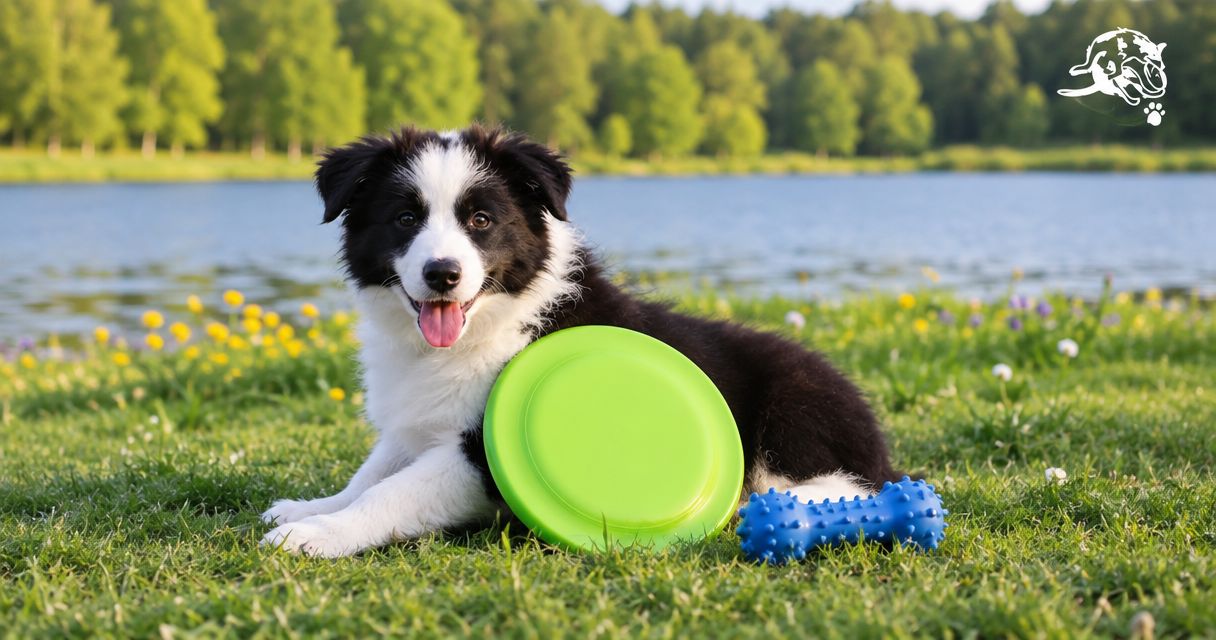
A dog frisbee and a chew toy serve different jobs. Catching and carrying a disc during fetch does not establish that the same disc can withstand repeated chewing. The intended use matters more than the shape or the fact that a product is sold for dogs.
When browsing pet products at Styleauditshop, separate your shopping decision into the activity you want to support and the checks that activity requires. For this 2026 buying decision, start with use instructions rather than broad words such as durable or interactive.
| Option | Best for | Practical advantage | Limitation | Check before choosing |
|---|---|---|---|---|
| Dog frisbee | Supervised throwing and retrieving | Gives you a disc-shaped fetch option | Fetch suitability does not establish chew suitability | Intended use, mouth fit, edges, and condition |
| Purpose-made chew toy | A dog that wants to settle and chew | Designed around chewing rather than flying | Still needs an individual fit and safety check | Size guidance, material, restrictions, and wear |
| Squeaky dog ball | Supervised ball play | Offers a different shape and sound for interaction | A squeaker or flexible material is not a chewing guarantee | Mouth fit, condition, and instructions |
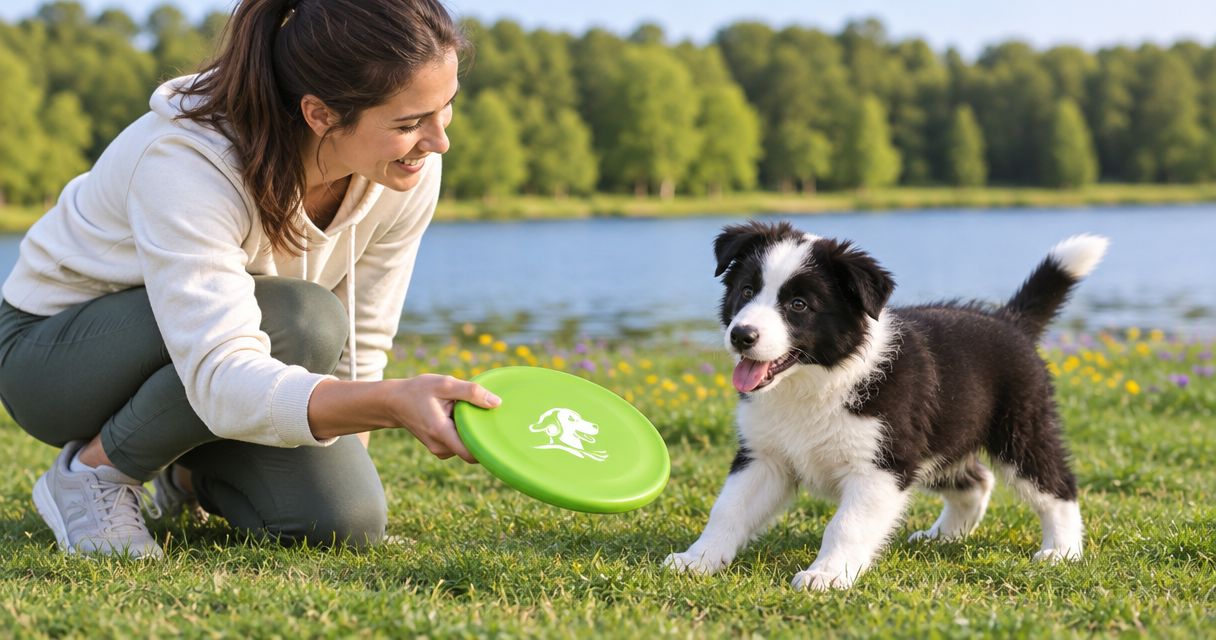
If your dog brings a frisbee back and releases it, the disc is serving its fetch role. If your dog takes it away, lies down, and starts working at the rim, the activity has changed. Stop treating that moment as part of the same game.
Why this matters
Buying a toy for the wrong task creates a problem that another feature does not fix. A disc that interests your dog still needs to suit the way your dog uses it. A cheerful product description is not a substitute for instructions about chewing.
Separate fetch from settling time. You control the throw and retrieval during an interactive game, but a dog chewing a toy needs a different suitability assessment. Supervision helps you notice damage; it does not turn an unsuitable object into a suitable one.
The useful purchase is the toy that matches the activity you actually need. If you want a way to play fetch together, assess a disc. If you want something for a dog that prefers chewing, assess a chew toy instead of buying a flying disc and hoping it covers both tasks.
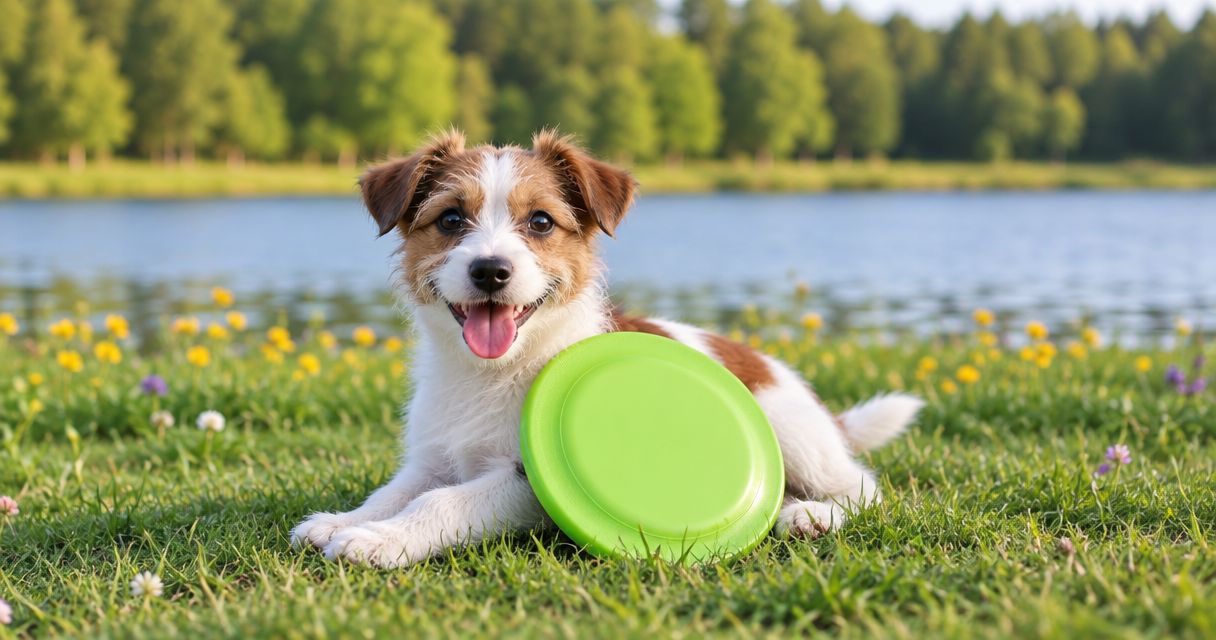
A dog frisbee: best for supervised fetch
Choose a dog frisbee when your aim is to throw a disc, let your dog retrieve it, and take it back for another turn. Look for instructions that support that use. Check that the shape is manageable for your dog to pick up and carry without forcing an awkward mouth position.
The advantage is straightforward: a disc gives you a specific format for interactive fetch. The limitation is equally important: the purchase does not establish suitability for extended biting, tugging, or being left with your dog. Treat those as separate uses requiring their own guidance.
Do not make airborne catches the purchase requirement. You can introduce a disc through controlled ground-level play and watch how your dog handles it. If your dog avoids the object or struggles to carry it, change the activity rather than pushing for a catch.
For a 2026 purchase, read the current product instructions even if you have owned a similar-looking disc before. Appearance alone does not establish that materials, intended uses, or restrictions are the same.
Choose a dog frisbee for fetch. Skip it as a chewing solution when chewing suitability is not explicitly established.
A chew toy: best for chewing rather than throwing
Choose a purpose-made chew toy when chewing is the activity you need to accommodate. That means assessing a product sold for chewing, then checking its instructions against your individual dog's size and behavior. A category label starts the assessment; it does not finish it.
The practical advantage is task fit. You are evaluating the toy for the activity your dog wants to do rather than asking a flying object to perform another role. The limitation is that chew toys still differ in materials, dimensions, restrictions, and the dogs they suit.
Do not assume that harder means better, or that a toy should withstand everything your dog does to it. Follow the product's guidance and discuss suitable options with your veterinarian if your dog has dental problems or repeatedly breaks toys apart.
A chew toy also does not automatically become an unattended toy. Check the manufacturer's supervision guidance and observe your dog's use before deciding how to manage it. Choose for chewing suitability, not for the promise of an indestructible object.
A squeaky ball: best for supervised ball play
Choose a squeaky ball when your dog engages with a ball-shaped toy and you want an alternative interactive game. The sound is a feature of the play experience. It is not evidence that the ball can replace a chew toy.
A ball gives you a different handling format from a disc, which helps when your dog prefers picking up round objects. Its limitation is that shape and sound do not answer the important safety questions. Check the product instructions, mouth fit, and condition before play.
If your dog focuses on tearing at the ball rather than playing with you, reassess the toy and stop that session. Do not interpret enthusiasm as proof of suitability. Choose a squeaky ball for the interaction it supports; skip it as an assumed all-purpose chewing option.
Why a dog's toy suitability varies
The same toy category does not suit every dog or every activity. Use these factors to make the decision rather than relying on the category name alone:
- Intended use: Fetch, interactive ball play, and chewing require separate checks. Permission for one activity does not establish permission for another.
- Mouth fit: Your dog needs to handle the toy comfortably. Follow the manufacturer's size guidance rather than judging from a photograph alone.
- Chewing behavior: Carrying an object differs from repeatedly biting an edge or trying to pull pieces away. Assess the behavior you see.
- Material and construction: Check what the listing and instructions actually state. A material name alone does not establish durability or dental suitability.
- Current condition: Cracks, tears, loosened components, and missing pieces change the decision. Inspect the toy you have, not the condition it had when purchased.
- Supervision guidance: Follow the stated restrictions. Watching your dog is useful, but it does not override an instruction against a particular use.
These checks remain the basis of the decision in 2026. A new listing, a different color, or a more appealing description does not remove the need to match the toy to your dog.
How do I check a dog frisbee before buying it?
Use a short decision sequence before choosing a disc. It keeps the question focused on what you need rather than on features that do not solve your problem.
- Choose the task. Decide whether you need supervised fetch or a chewing option. If chewing is the main requirement, start in the chew-toy category.
- Read the instructions. Check intended use and restrictions. Do not infer chewing permission from words such as durable or bite resistant.
- Check mouth fit. Look for size information and compare it with your dog's needs. A photograph cannot establish comfortable handling.
- Inspect condition. Check the rim, body, and any separate components before play. Stop using a damaged toy.
- Watch behavior. Observe whether your dog carries and releases the disc or settles down to chew it. End the fetch session when the behavior changes.
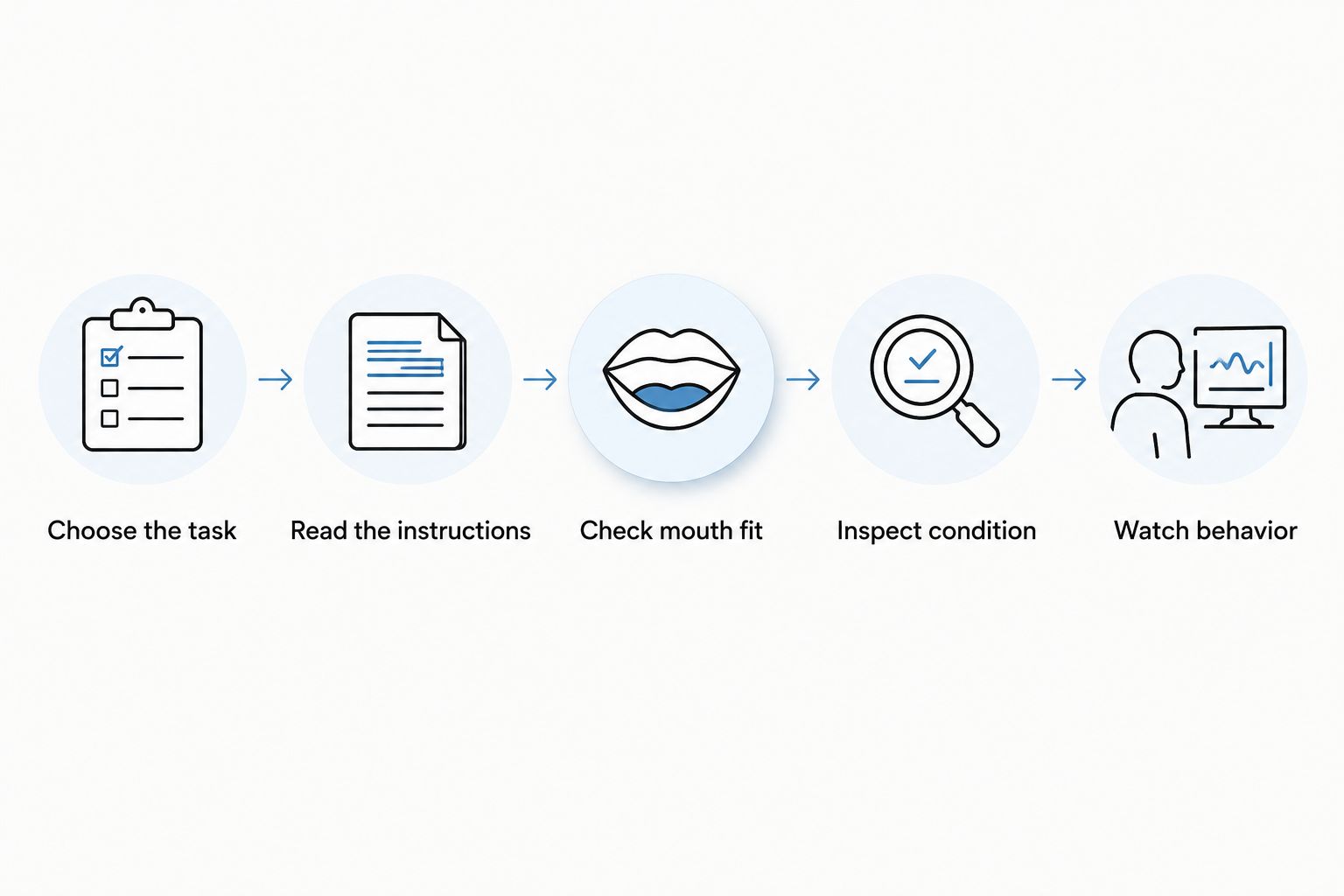
Check those details before comparing appearance. If you cannot establish that a disc suits your intended use, leave it out of that purchase decision. You do not need to turn every uncertainty into a reason to buy and experiment.
Which listed toys fit a fetch purchase?
Styleauditshop's Dog Training Flying Disc is best for shoppers seeking a supervised fetch toy, not a verified chew-toy replacement. Its listing identifies a flying disc intended for fetch. That is the relevant role here; it does not establish permission for extended chewing.
The Squeaky Dog Ball Toy is a separate interactive-play option. Its listing identifies a soft TPR ball with a squeaker. Treat it as a ball-play candidate and assess fit and use instructions; do not turn its title's dental or bite-resistance language into a promise of results.
| Listed product | Best for | Reason to consider it | Reason not to choose it |
|---|---|---|---|
| Dog Training Flying Disc | Supervised disc fetch | Matches a throwing-and-retrieving task | You need a confirmed chewing option |
| Squeaky Dog Ball Toy | Supervised ball interaction | Offers a ball format with a squeaker | You need evidence of chew suitability or dental results |
Choose between these products by the game your dog enjoys and the instructions you can verify. Neither listing establishes that the toy replaces a purpose-made chew toy. For your 2026 shopping decision, that distinction matters more than an attractive feature list.


Can my dog chew the frisbee between throws?
A dog frisbee should not become a chewing toy between throws unless its manufacturer explicitly permits that use. Briefly holding or carrying the disc is different from settling down to chew its rim.
If your dog starts chewing, pause the game and put the disc away. Offer a suitable alternative only after checking that alternative's instructions. Do not keep throwing a disc that already shows damage.
Is a soft dog frisbee automatically safe for chewing?
A soft dog frisbee is not automatically suitable for chewing. Softness describes a physical characteristic, not a complete safety assessment or permission for another use.
Check the stated material, intended activity, size guidance, and restrictions. Avoid assuming that flexible means harmless or that rigid means durable enough for your dog.
What should I do if my dog damages a frisbee?
Stop using a damaged dog frisbee and take it out of play. Inspect for missing pieces without giving the toy back to your dog.
If you suspect your dog swallowed a piece, contact your veterinarian promptly. Do not wait for another play session to see whether the remaining disc still works.
FAQ
Can a dog frisbee replace a chew toy?
No—a dog frisbee should not replace a chew toy unless its manufacturer explicitly identifies that particular disc as suitable for chewing. Choose by intended use and your dog's size and behavior.
What's the best toy for a dog that wants to chew instead of fetch?
A purpose-made chew toy is the relevant category for a dog that wants to chew. Check its size guidance, restrictions, and suitability for your individual dog before choosing.
Can I leave my dog alone with a flying disc?
Do not assume a flying disc is suitable for unattended use. Follow the manufacturer's supervision instructions and do not use a fetch label as permission to leave it with your dog.
Is a squeaky ball better than a dog frisbee?
A squeaky ball suits ball-based interaction, while a dog frisbee suits disc fetch. Neither format is automatically better or established as suitable for extended chewing.
Does durable mean a dog toy is chew-proof?
No—durable does not mean chew-proof. Check the intended use and inspect the actual toy for damage rather than treating a descriptive word as a guarantee.
Is Styleauditshop's Dog Training Flying Disc a chew toy?
The provided listing identifies Styleauditshop's Dog Training Flying Disc as a fetch toy, not a verified chew-toy replacement. Assess it for supervised fetch and check the current use instructions.
What should I do if my dog swallows part of a frisbee?
Contact your veterinarian promptly if you suspect your dog swallowed part of a frisbee. Remove the remaining toy and follow veterinary advice.
One last thing
Your dog's behavior can change the task before the toy changes appearance. A disc that looks intact still needs to come out of play when your dog switches from retrieving to chewing and that use is not permitted.
For 2026, make that your simplest buying rule: buy for the activity, check the fit, and stop when use or condition changes. You do not need a toy that claims to do everything. You need one that suits the job you are asking it to do.