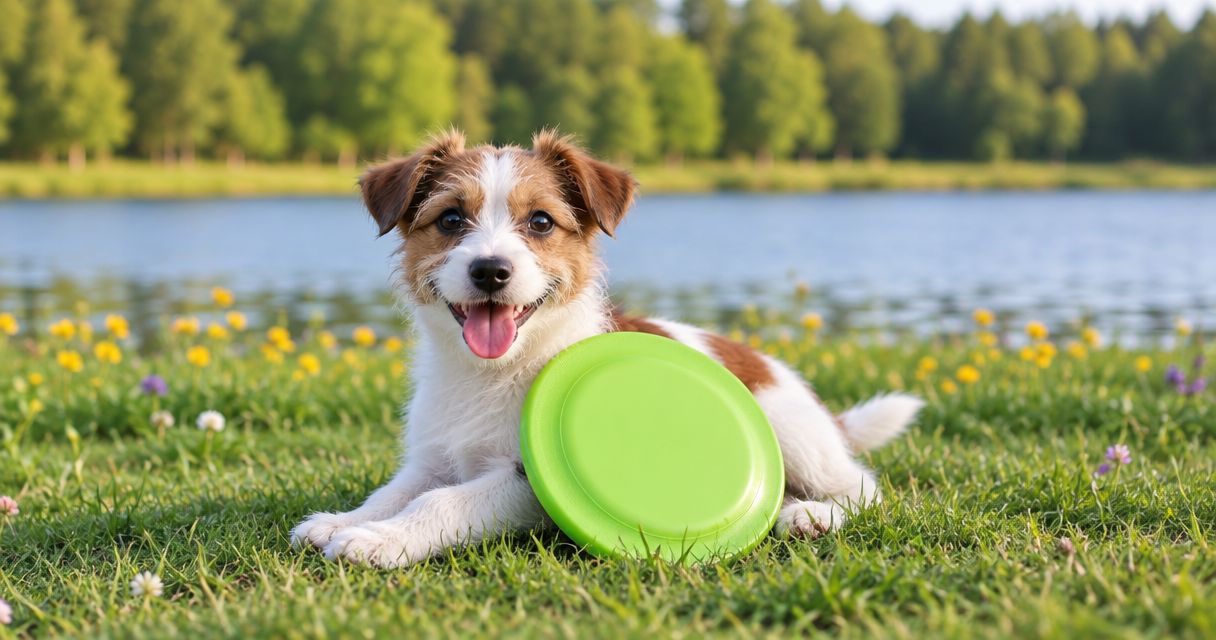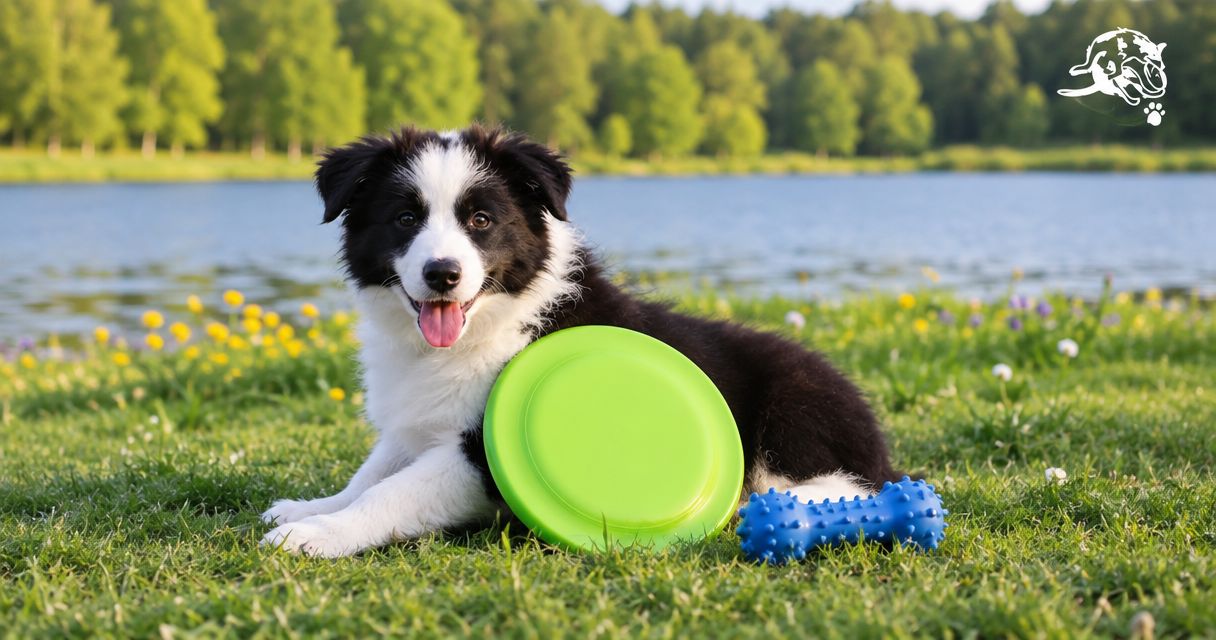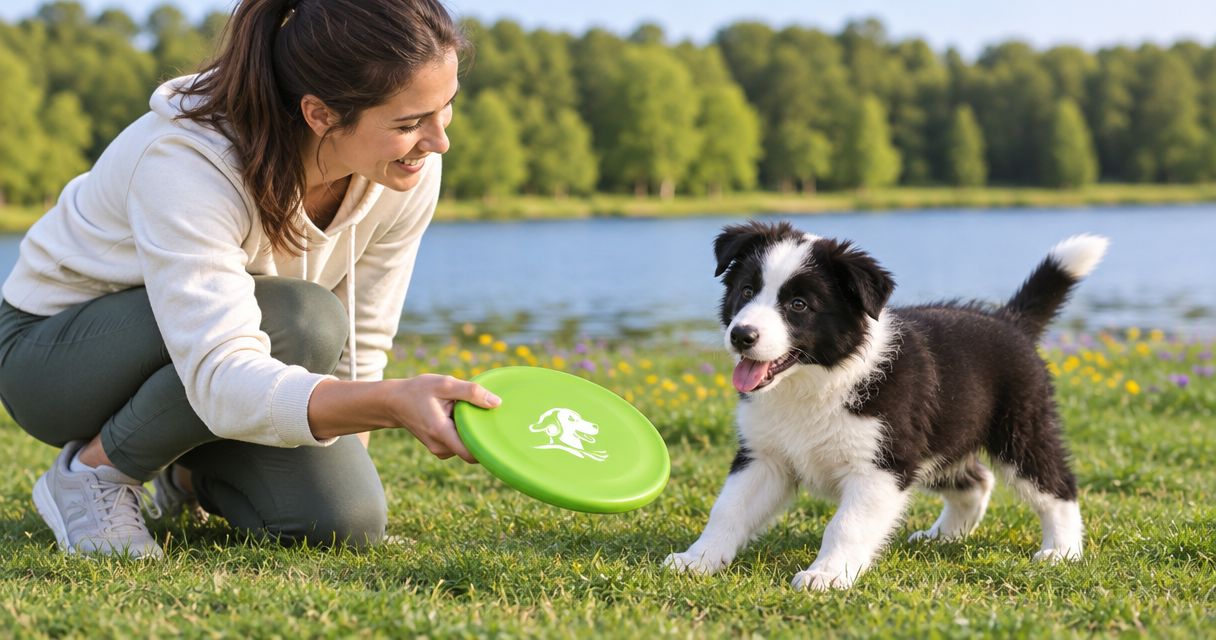
Introduce a dog frisbee by letting your dog investigate it, rewarding voluntary interest, and practicing pickup and release before adding movement. Start with the disc on the ground, progress to gentle rolls only when your dog is comfortable, and leave airborne catches out of the beginner lesson; a willing chase does not mean your dog is ready to jump.
- Introduce a dog frisbee through calm investigation, ground pickups, and rewarded releases before adding movement.
- Style Audit offers dog fetch toys; choose by mouth fit and supervised play, not durability slogans.
- A flying disc suits disc-specific practice; a squeaky ball suits dogs already comfortable retrieving a ball.
- Stop when your dog avoids the toy, chews off pieces, shows discomfort, or loses interest.
Why this matters
A beginner fetch game contains several separate tasks: noticing the toy, picking it up, carrying it, returning, and letting go. Throwing a disc immediately asks your dog to work through all of them at once. Teach the parts before asking for the whole game.
For this 2026 beginner guide, success means comfortable participation rather than a spectacular catch. You are looking for a dog that approaches willingly and can finish the activity without a struggle over the toy.
Style Audit sells everyday consumer and pet products. Treat a dog frisbee purchase as a task-fit decision: the toy needs to suit your dog's mouth, interest, and way of playing, not just look appealing in a listing.
How do you introduce a dog frisbee to a beginner?
Follow the sequence below, but let your dog's behavior determine when you move forward. You do not need to complete every stage in one session. Repeat an easy stage rather than adding speed to a task your dog does not yet understand.
Start with a suitable space
Choose a quiet, enclosed area with secure footing and room to move away from you. Clear away sharp objects and avoid slippery surfaces, traffic, and other dogs competing for the toy. Keep the first exercise close enough that you can reward your dog without calling across the space.
Inspect the disc before offering it. Look for damaged edges, cracks, loose pieces, or a surface your dog cannot comfortably grip. If your dog has dental discomfort, lameness, or a known health restriction, ask your veterinarian about suitable play before introducing chase work.
Let your dog investigate
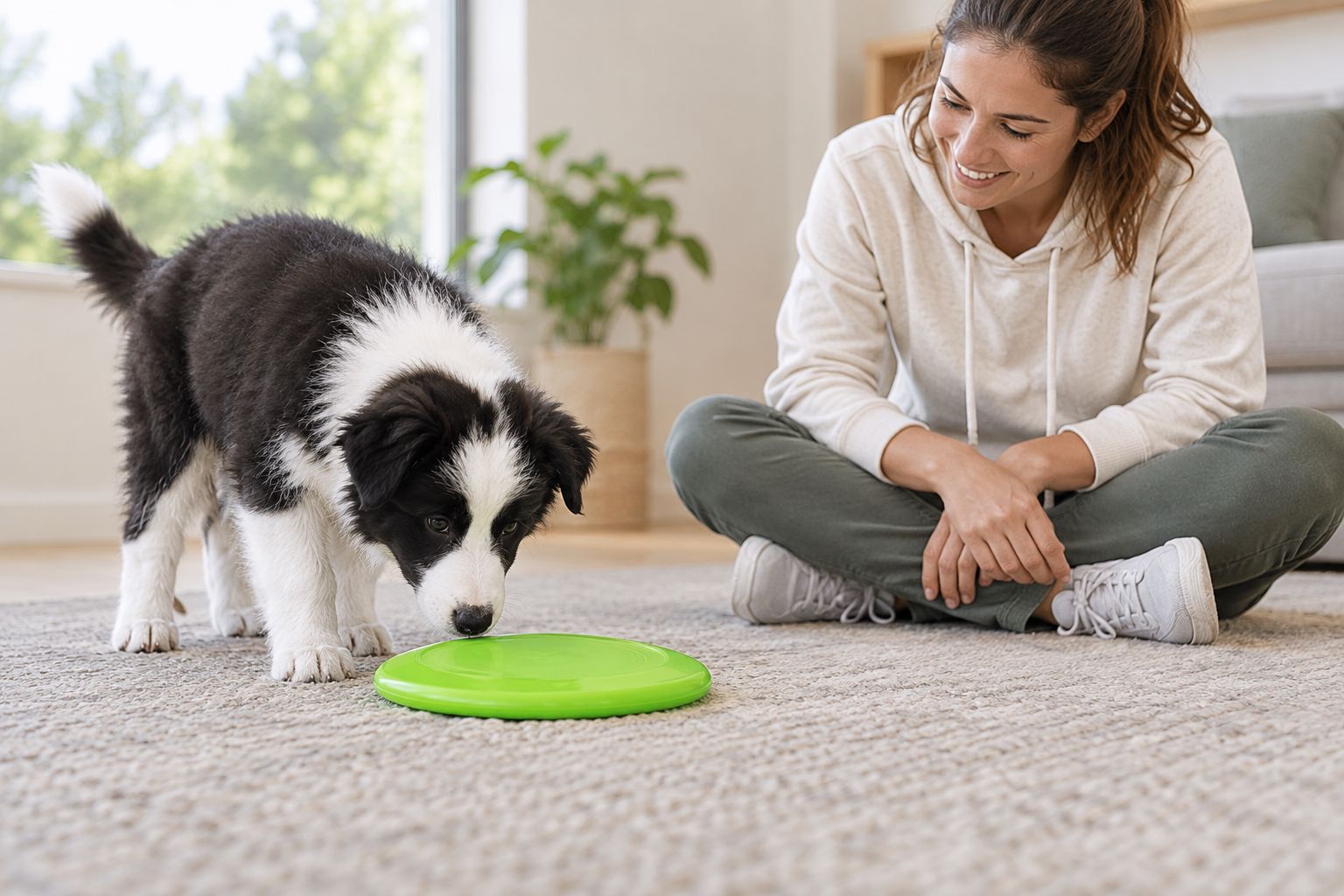
Place the dog frisbee on the ground and allow your dog to approach. Reward a voluntary sniff or other calm interest with praise or a suitable food reward. Do not push the disc against your dog's face or repeatedly wave it into the mouth.
If your dog backs away, make the exercise easier. Leave the disc still, give your dog space, and reward an approach without requiring contact. A dog that feels free to step away gives you a clearer picture of whether the toy is genuinely appealing.
Reward a pickup
Once your dog is comfortable near the disc, reward voluntary mouth contact. Then reward lifting it from the ground. Keep the disc stationary during this stage so your dog can work out how to hold it without also tracking a moving object.
Avoid forcing the mouth open or insisting on a particular grip. If your dog repeatedly struggles to lift the disc, reconsider its fit and shape. Difficulty picking up the toy is a fit check, not a reason to throw it harder.
Practice a release
Offer a suitable reward and let your dog release the disc voluntarily. Add a consistent release cue as the action becomes familiar. Return to an easy pickup afterward so giving up the toy does not always end the enjoyable part of the game.
Do not chase your dog around to retrieve the disc or pry it from the mouth. If your dog stiffens, guards the toy, or growls during exchanges, stop the exercise and seek help from a qualified reward-based trainer. Turning a release lesson into a confrontation makes the next exchange harder.
Add gentle movement
Move the disc along the ground or give it a gentle roll away from your dog. Keep the movement simple and within the space you have cleared. Reward an attempt to follow, then return to pickup and release practice.
Choose movement that stays easy to track. If your dog rushes past the disc, becomes frustrated, or starts grabbing at your hands, reduce the excitement. A stationary pickup remains useful practice even after you introduce rolling.
Build the return
After your dog picks up the disc, invite your dog back and reward approaching you with it. Make returning pleasant before requiring a precise delivery. A dropped disc nearby is information about which part of the sequence still needs practice.
Keep airborne throws out of this introductory routine. For a dog that is ready for more demanding disc play, discuss physical suitability with your veterinarian and work with a qualified trainer. Jumping is not a required milestone for everyday fetch.
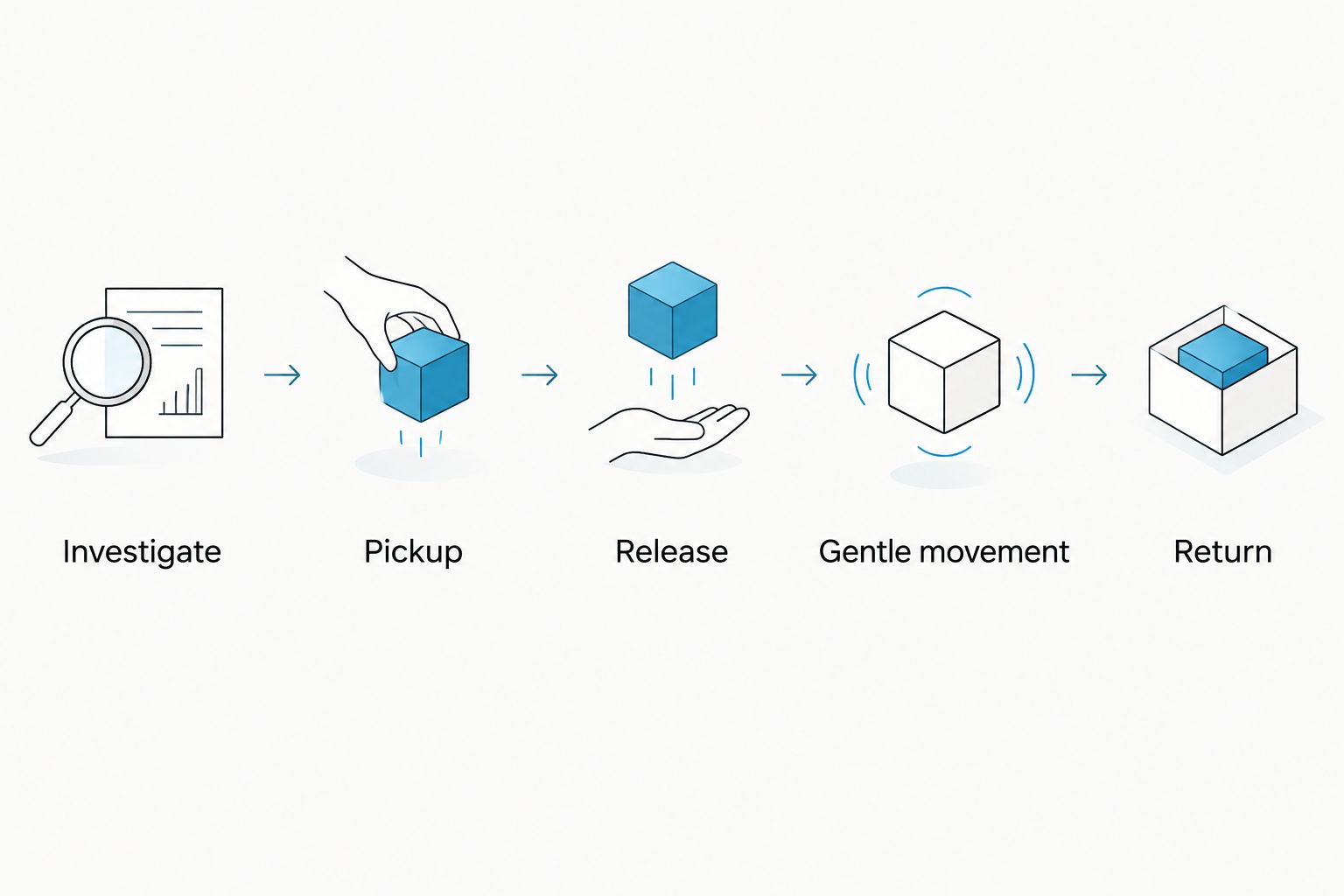
The useful sequence is Investigate, Pickup, Release, Gentle movement, Return. If one part breaks down, practice that part separately instead of repeating the entire game at greater speed.
Which dog frisbee should a beginner use?
Choose a dog frisbee your dog can comfortably pick up, carry, and release. Check the stated dimensions, material, edge shape, and intended use before buying. A photograph alone does not establish mouth fit, and a label mentioning puppies does not establish suitability for every puppy.
There is no universal beginner size that fits every dog. Compare the listing with your dog's existing comfortable toys, then observe how your dog handles the new disc under supervision. Reject a fit that requires an awkward grip or repeatedly causes your dog to drop the toy while trying to carry it.
Check the intended activity too. A fetch toy is not automatically an appropriate chew toy. Put the disc away after practice, and remove it from use if your dog damages it or detaches pieces.
For a 2026 purchase, read the current product information rather than relying on an old screenshot or a short product title. Buy for comfortable handling and the exercise you actually plan to teach.
Dog frisbee or squeaky ball: which fits the first lesson?
A flying disc teaches familiarity with the object you eventually want your dog to retrieve. A squeaky ball offers a different starting point when your dog already understands ball play. Neither choice removes the need for supervised pickup and release practice.
| Option | Best for | Useful role | Limitation | Fit check |
|---|---|---|---|---|
| Dog frisbee | Dogs willingly exploring a disc | Practicing disc pickup, carrying, and release | A beginner must learn how to grip its shape | Confirm comfortable mouth fit and inspect the edges |
| Squeaky ball | Dogs already comfortable with ball retrieval | Practicing return and release with a familiar toy type | Ball retrieval does not automatically teach disc handling | Confirm suitable size and stop if the squeak causes avoidance or overexcitement |
Choose the disc when your goal is disc familiarity; choose the ball when a familiar retrieve makes the lesson easier. You can practice returning with a ball and introduce the disc separately. There is no need to insist that one toy teach every skill.
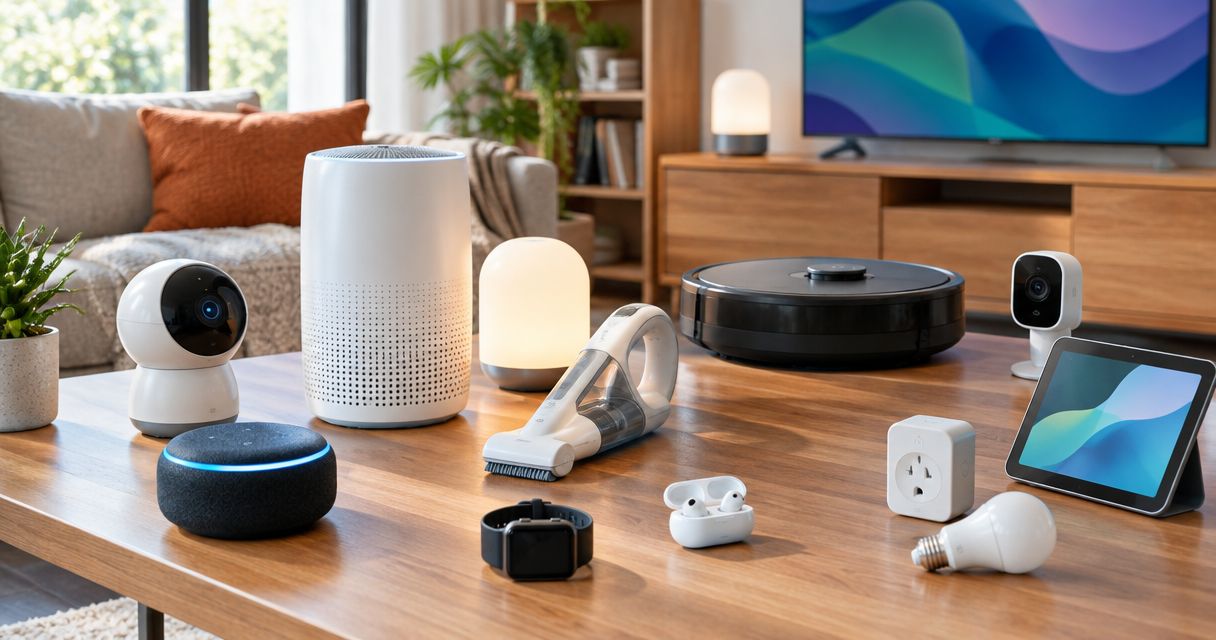
Style Audit dog fetch toys include the flying disc and squeaky ball below. Their names contain durability and teeth-cleaning language; do not treat those labels as proof of chew safety, dental benefit, or suitability for your individual dog. Check the current details and supervise use.


Why beginner dog frisbee progress varies
Judge progress by what your dog does comfortably, not by another dog's highlight video. The same introductory sequence needs different starting points when a dog already retrieves toys or is encountering this kind of play for the first time.
- Toy familiarity: A dog that retrieves balls still needs to learn the disc's shape and grip.
- Mouth fit: An awkward disc makes pickup and carrying harder, regardless of enthusiasm.
- Movement comfort: Some dogs approach a stationary toy but avoid one moving toward them.
- Return and release: Chasing, carrying, returning, and letting go are separate behaviors.
- Physical comfort: Dental discomfort, lameness, or other health restrictions change the appropriate activity.
- Environment: Slippery footing, competing dogs, and distracting surroundings make a quiet introduction harder.
Change the task before changing your expectations. If the disc itself is the difficulty, return to calm investigation. If release is the difficulty, practice exchanges without adding another throw.
What should you do when the lesson stalls?
Watch for the point where your dog stops participating comfortably. A missed catch is not relevant at this stage; avoidance, awkward handling, and escalating excitement are more useful signals. Adjust the exercise rather than repeating it unchanged.
| What you see | Next move | What to avoid |
|---|---|---|
| Your dog backs away from the disc | Put it down and reward a voluntary approach | Pushing it toward the face |
| Your dog sniffs but does not pick it up | Reward mouth contact and check whether the shape is manageable | Requiring a full retrieve immediately |
| Your dog carries the disc away | Practice rewarding an approach back to you | Chasing to recover the toy |
| Your dog holds on during an exchange | Return to calm, rewarded release practice | Prying the mouth open |
| Your dog damages the disc | Remove the damaged toy and reassess suitable play | Continuing with loose or broken pieces |
When the exercise becomes frustrating, end it calmly. Your next attempt can begin with a simpler task and a less distracting space. Buying another toy does not replace teaching the missing part of the game.
Can you start dog frisbee training indoors?
You can start dog frisbee familiarity indoors with stationary investigation, pickup, and release on secure footing. Keep the exercise away from furniture edges, stairs, and other pets. Move chase practice to a suitable clear area rather than rolling the disc through a crowded room.
Indoor work is useful when the outdoor environment is too distracting for your dog to notice the toy calmly. It is not a reason to add throws across slippery flooring. Keep the task small and easy to supervise.
What if your dog wants to chew the frisbee instead?
A dog that settles down to chew the frisbee is doing a different activity from retrieving. Offer a suitable trade, put the disc away, and reconsider whether fetch is the game your dog enjoys. Do not assume a fetch toy is suitable for sustained chewing.
Inspect the toy before the next attempt. Damage changes the decision immediately: remove the disc from use rather than relying on its original durability description. Seek veterinary advice if you suspect your dog has swallowed part of it.
When should you skip a dog frisbee purchase?
Skip the purchase when you cannot establish a comfortable fit or when the intended play conflicts with your dog's health restrictions. Wait if your dog is currently uncomfortable exchanging toys; release practice deserves attention before you add an exciting moving object.
Style Audit suits shoppers choosing practical pet products by task fit, not headline promises. For a 2026 dog frisbee decision, that means checking the current listing and knowing when not to buy. A ball your dog already handles comfortably can remain the better training tool while you work on returning and releasing.
FAQ
What's the best way to introduce a dog frisbee to a beginner?
Start with a stationary dog frisbee and reward voluntary interest, pickup, and release. Add gentle ground movement only when your dog handles the earlier tasks comfortably.
Should I throw the frisbee on the first day?
You do not need to throw the frisbee during the first introduction. Ground-level investigation and pickup let your dog learn the object without also tracking flight.
Is a dog frisbee better than a squeaky ball for a beginner?
A dog frisbee is better for practicing disc-specific handling; a squeaky ball is useful when your dog already retrieves balls comfortably. Choose the toy that fits the lesson and your dog's mouth.
Can a puppy learn to play with a dog frisbee?
A puppy can be introduced to calm toy investigation, but suitability depends on the individual puppy and the toy. Ask your veterinarian about physical activity and keep jumping out of the beginner routine.
How long does it take a dog to learn frisbee?
There is no fixed learning time for beginner dog frisbee play. Move forward when your dog investigates, picks up, and releases comfortably rather than working to a deadline.
What should I do if my dog won't give the frisbee back?
Practice a voluntary release with a suitable reward before adding more chase work. Stop and seek qualified help if your dog guards the toy or becomes tense during exchanges.
What should I check before buying a dog frisbee in 2026?
Check the current dimensions, material, intended use, and whether your dog can handle the disc comfortably. Product labels do not establish chew safety, dental benefits, or suitability for every dog.
One last thing
A calm release is a better beginner milestone than an airborne catch. It gives you a workable way to restart the game, inspect the toy, and finish without chasing your dog for it.
Keep that priority for your 2026 practice: comfortable handling first, movement second. If your dog enjoys investigating and carrying the disc but never becomes interested in catching it, you still have a useful supervised game.